
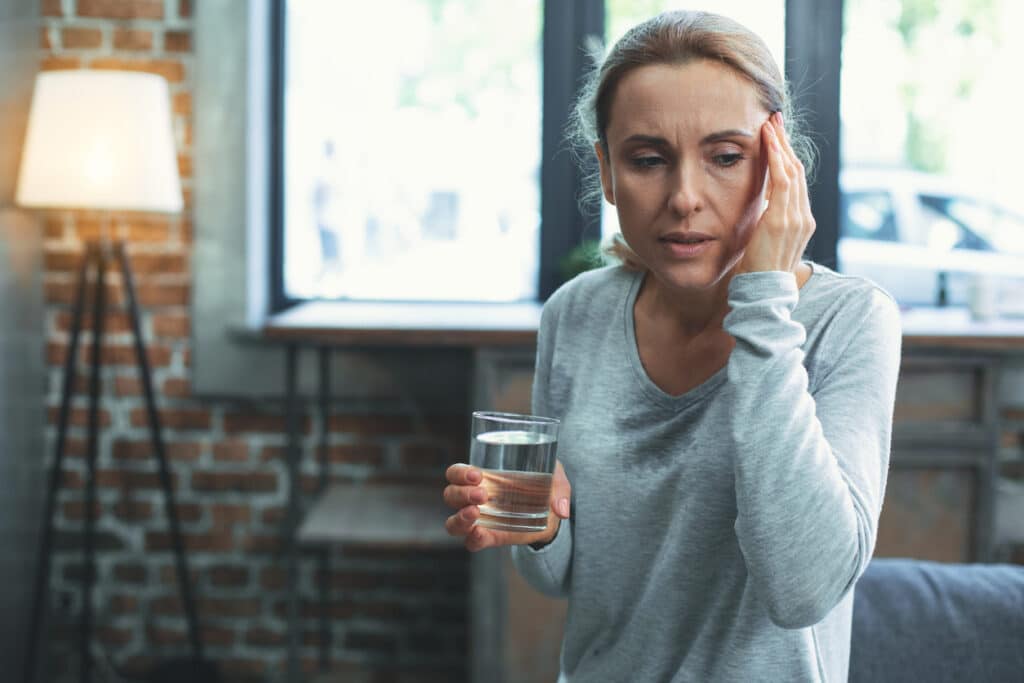
Perimenopause is the transition leading up to menopause, while natural menopause is reached after 12 consecutive months without a menstrual period when no other cause is responsible. During perimenopause, hormone levels can fluctuate and periods often become less predictable. Once menopause occurs, your reproductive years have ended. Hormone therapy may help manage certain symptoms associated with these changes.
In Albuquerque, NM, Freya’s Lair Medical Spa cares for women experiencing shifts in energy, sleep, sexual health, menstrual cycles, and other hormone-related concerns. Frances Abeyta, FNP-BC, a board-certified nurse practitioner, oversees treatments and is certified in bioidentical hormone therapy through the Hormonal Health Institute.
What Happens During Perimenopause?
Perimenopause usually begins several years before your final period. Your ovaries gradually change how they produce estrogen and other hormones, but those levels don’t decline in a perfectly steady pattern. They typically rise and fall, which helps explain why symptoms sometimes seem unpredictable.
Problems you might notice include:
- Irregular, shorter, or longer menstrual cycles
- Heavier or lighter periods
- Hot flashes or night sweats
- Trouble sleeping
- Vaginal dryness
- Changes in sexual desire
- Mood swings
- Difficulty concentrating
Some women have few symptoms, while others experience changes that interfere with sleep, work, relationships, or daily routines. Keep in mind that you can still become pregnant during perimenopause because ovulation can continue even when periods become irregular.
When Does Perimenopause Become Menopause?
Menopause is officially reached after 12 months without a menstrual period when another cause isn’t responsible for the change. In the United States, the average age of menopause is about 51, according to the Mayo Clinic.
After that point, you’re considered postmenopausal. Issues such as hot flashes don’t necessarily disappear on the day you reach menopause. They can continue afterward, while other concerns related to lower estrogen levels, including vaginal dryness, may become more noticeable.
Can Hormone Therapy Help With Perimenopause or Menopause Symptoms?
Hormone therapy can help some women manage bothersome issues associated with the menopause transition, particularly hot flashes, night sweats, and vaginal dryness. It may also improve sleep when nighttime vasomotor symptoms disrupt it. It isn’t right for everyone, so we need to consider your medical history, symptoms, risk factors, and goals before getting started.
Freya’s Lair begins hormone care with an evaluation that generally includes a discussion of your symptoms, health history, and laboratory testing. Follow-up allows your treatment plan to change along with your needs.
Find Support for Hormonal Changes in Albuquerque
Perimenopause and menopause are different stages, but both can affect how you feel from day to day. Frances Abeyta, FNP-BC, and the team at Freya’s Lair Medical Spa are here to help you explore hormone care in Albuquerque, NM. Call 505-503-7381 or contact us to discuss your symptoms and available options.